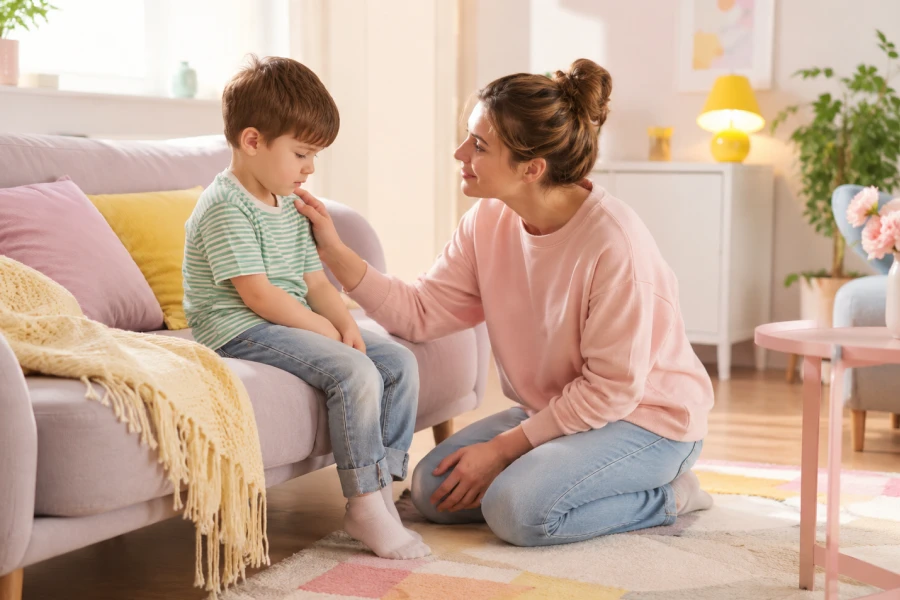
A supportive parenting style helps families lower tension without removing expectations. Children need warmth, but they also need guidance. Parents often feel trapped between being too strict and being too permissive. Supportive parenting offers another path. It combines connection, clear limits, and emotional coaching. This approach does not ignore behavior. It looks beneath behavior while still teaching responsibility. Children feel safer when adults remain steady. Parents also feel more effective because their responses become intentional instead of reactive.
A supportive parenting style works because children need both acceptance and direction. Warmth helps them feel loved. Limits help them understand expectations. One without the other creates problems. Too much control can create fear. Too little structure can create insecurity. A balanced parenting style gives families a steadier middle path. Parents can be kind and firm at the same time. Children learn that boundaries are part of care, not rejection.
Behavior often communicates something a child cannot explain well. A meltdown may signal hunger, fatigue, fear, overstimulation, or frustration. A rude comment may hide embarrassment. Avoiding homework may reflect confusion. Supportive parents still address the behavior. They also look for the need underneath it. This helps correction become more accurate. Instead of reacting only to the surface, parents respond to the whole situation. Children feel understood. They also learn to recognize their own patterns more clearly.
Using a supportive parenting style during conflict requires a pause. That pause does not mean surrender. It means choosing your response. Lower your voice. State the limit clearly. Name the feeling if appropriate. Then offer the next step. A calm discipline approach can help parents avoid escalating the moment. Children may still protest. That is normal. Your steadiness teaches them more than a louder reaction would.
Rules work better when children understand them. Explain expectations before the stressful moment arrives. Keep rules short. Connect them to safety, respect, or responsibility. Then follow through consistently. Children should not have to guess which version of a parent they will meet. Predictability lowers tension. It also improves cooperation. When rules feel random, children push harder. When rules feel steady, children may still resist, but they understand the structure around them.
A supportive parenting style builds confidence because children experience themselves as capable learners. They are not reduced to their mistakes. They receive correction and encouragement together. A confident kids parenting method helps parents praise effort, problem-solving, honesty, and repair. This matters because children repeat what gets noticed. When parents notice resilience, children practice resilience. Confidence grows from repeated experiences of trying, adjusting, and being supported through mistakes.
Parents sometimes overcorrect when they fear losing control. They may lecture too long, punish too quickly, or remove every privilege. Other parents overcorrect in the opposite direction. They explain endlessly but never hold a boundary. Both patterns create confusion. Supportive parenting asks for connection and follow-through. Say less. Mean more. Keep the boundary realistic. Return to connection after the moment passes. This rhythm helps children learn without turning every mistake into a family crisis.
Supportive parenting style creates a calmer home because it reduces emotional whiplash. Children know they will be heard. They also know limits still matter. Parents know they can respond without choosing between softness and structure. This approach takes practice. It will not make every day smooth. Still, it creates a better pattern. Conflict becomes less explosive. Repair becomes more normal. Over time, the home feels safer for learning, honesty, and growth.



Leave a comment